Winter, a time for introspection
Winter, a season that seems to move at a different pace compared to the growing season. It may well be the absence of productivity in the garden that gives that impression. Here in Auckland, we are lucky by some measures that our winters are comparatively mild. Our garden in Central Auckland experiences no frosts, and readers from cooler regions may question the aforementioned lack of productivity - can’t the plants just keep growing if the temperatures allow for it, without frosts knocking back herbaceous growth? Unfortunately, although I wish this was the case, we experience similar fluctuations in light levels (duration & intensity), combined with the drop in soil temperatures mean that winter in our garden seems to lock a lot of the perennial border in a state of limbo, with no meaningful growth in the garden until early spring. The path the sun takes also means that our already sun-challenged garden has to cope with minimal direct sunlight. The large trees bordering the garden to the west and north-west continue to be both a blessing and a curse. In summer, they provide welcome shade for both the house and the front garden from the hot afternoon sun. Thankfully, one of those trees is a deciduous bead tree (melia azedarach) and the shedding of its leaves is welcome in our garden for both leaf mould and winter light levels. All this to say that although one would normally expect an Auckland winter to accommodate more growth and blooms, our microclimate does sometimes resemble a garden from farther south, with a shorter growing season.
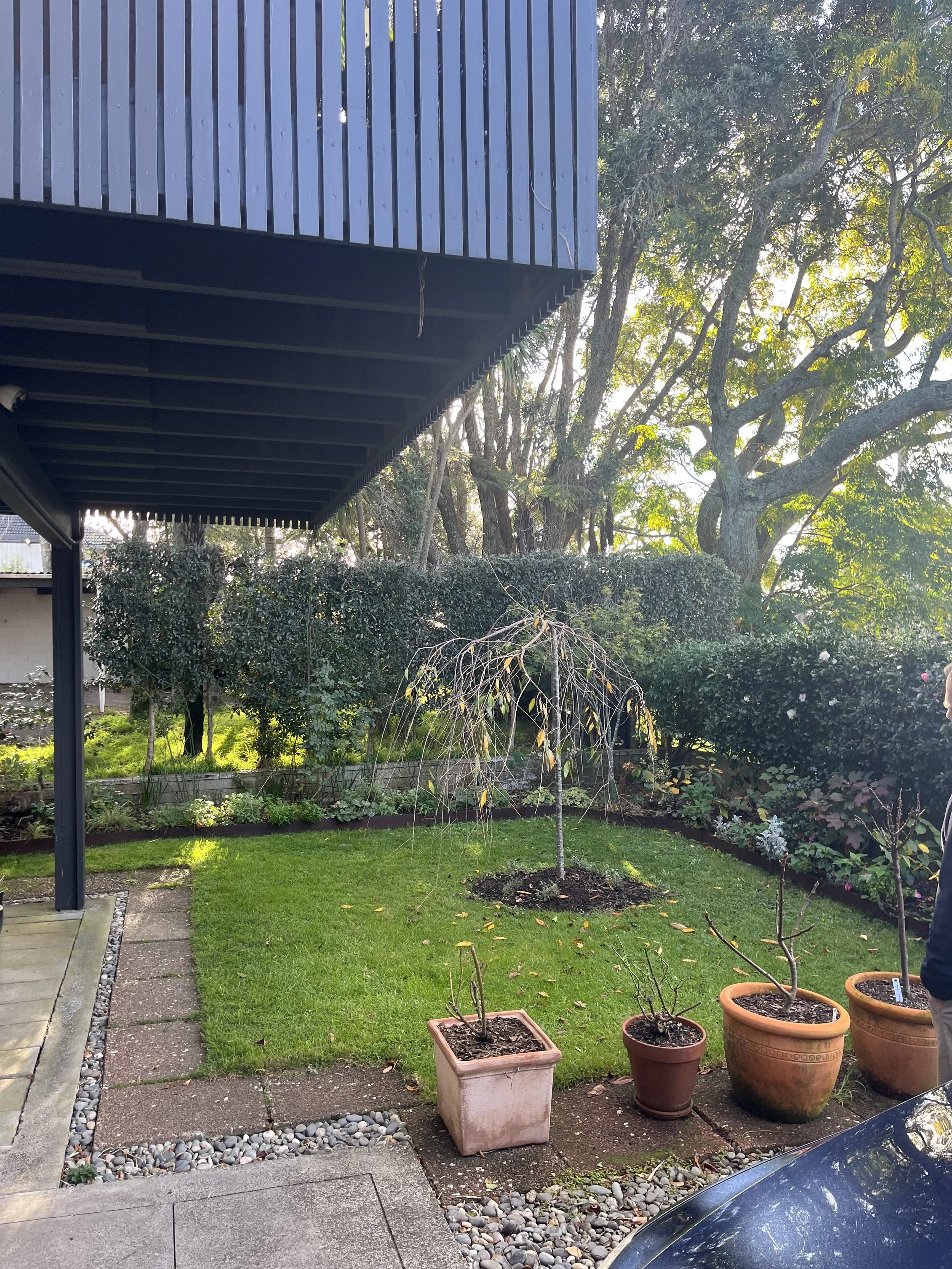
The front yard, in the shadow of a neighbouring pohutukawa and Melia adezarach
So what does one do in a solarly challenged Auckland garden? My attention seems to drift indoors, whilst keeping an outward focus. I am no different from many a gardener, trying to make the most of their imagination to look past the short, dreary days toward a brighter, sunnier future of what the garden could be come summer. It is dawning on me that my penchant for garden design and creative drawing and writing seems to peak in winter. I put a lot of this down to the longer nights spent hunkering down indoors, and less of my time being consumed by the garden or other outdoor activities. To illustrate this (pun possibly intended), I recently reactivated my subscription for the vector-based creative sketchbook, Concepts, the first time reactivating it since Winter 2025 when I was designing a new border and planting scheme. Last year’s new border (roughly 4m x 1.2m) was highly illuminating in the sense that it showed me how tricky it can be to design a successful border, with a long season of interest. Dear reader, although I now embellish descriptions of myself with a term like “gardener”, I’d take this opportunity to acknowledge that I am very inexperienced by most measures. We came to Herbst Garden just 3 years ago, and before that, the lack of opportunity for gardening in rented properties meant that I had minimal interest or practical experience in it. Unfortunately, the theory behind designing a border that looks full with planting, and carries itself well through the seasons seemed deceptively simple, but despite all my winter planning last year, the border was glorious in November to early January, and by late February, I had all but forgotten the towering spikes of delphiniums, the splashy sprays of roses and frothy blooms of nepeta, and instead bemoaned the lack of colour and vigour that plagued the site. It is this very feeling that now pushes me to evaluate the border, how it functions and most importantly, how to cohesively get the most bang for buck from this small space.
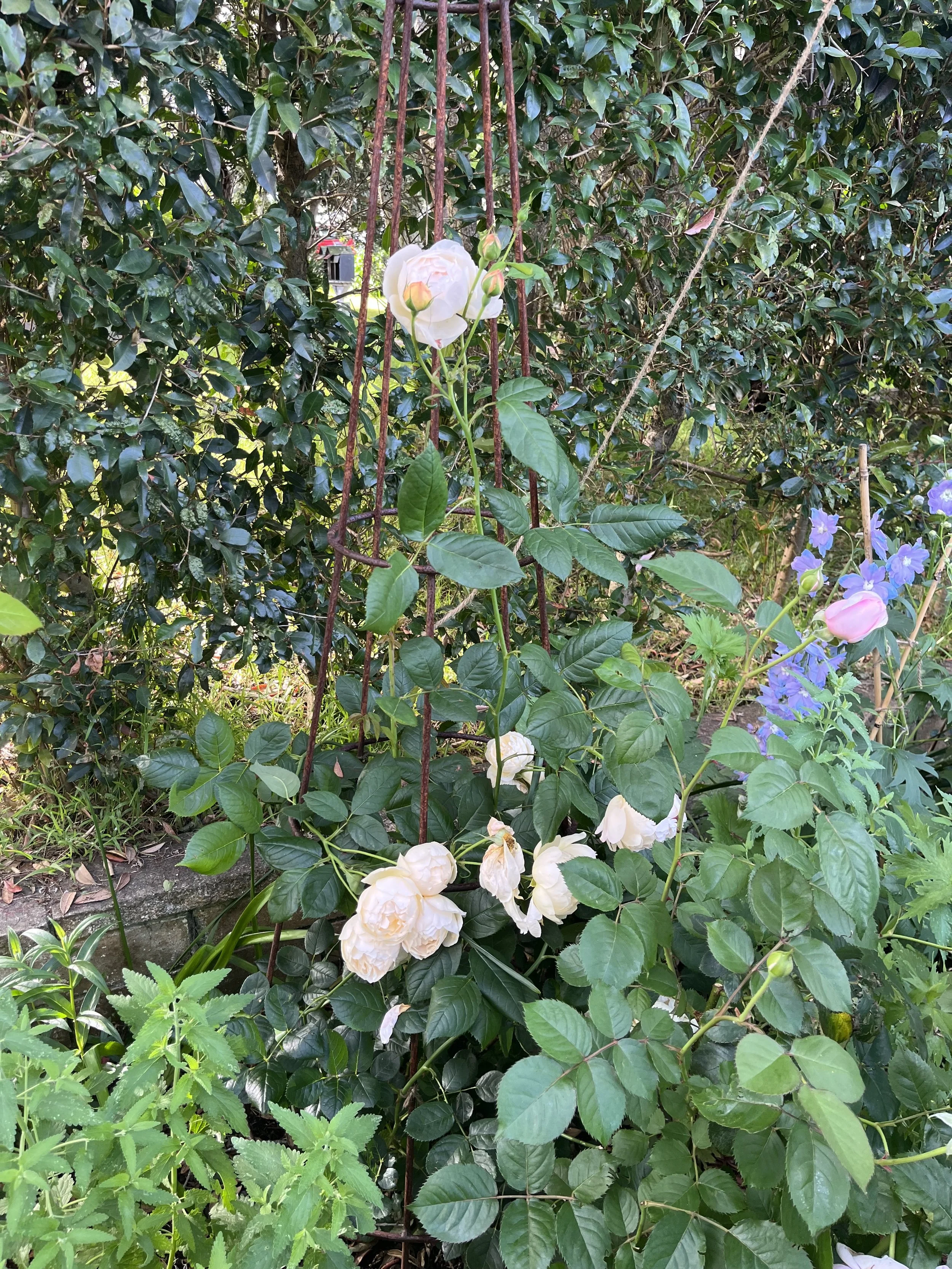
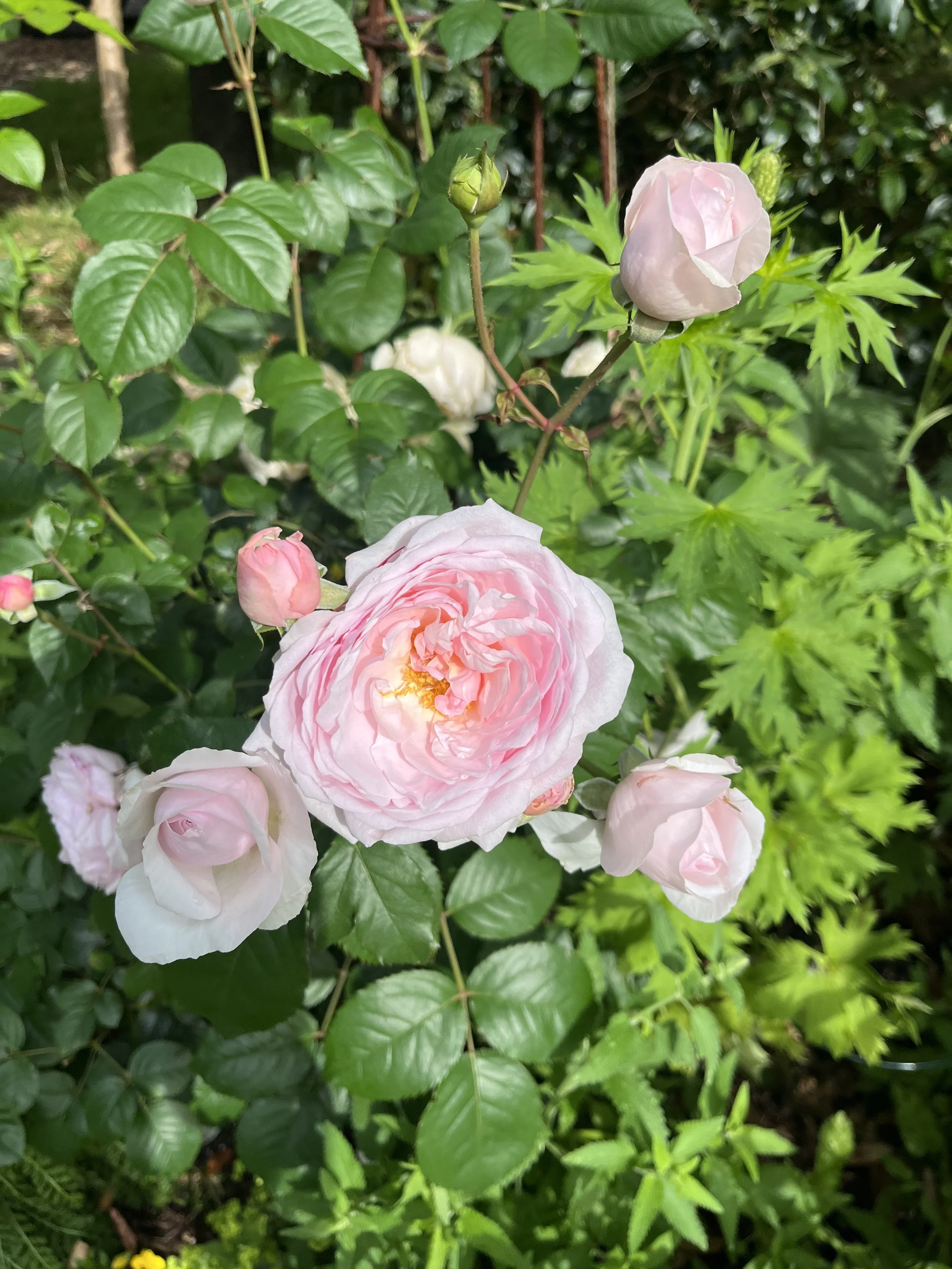
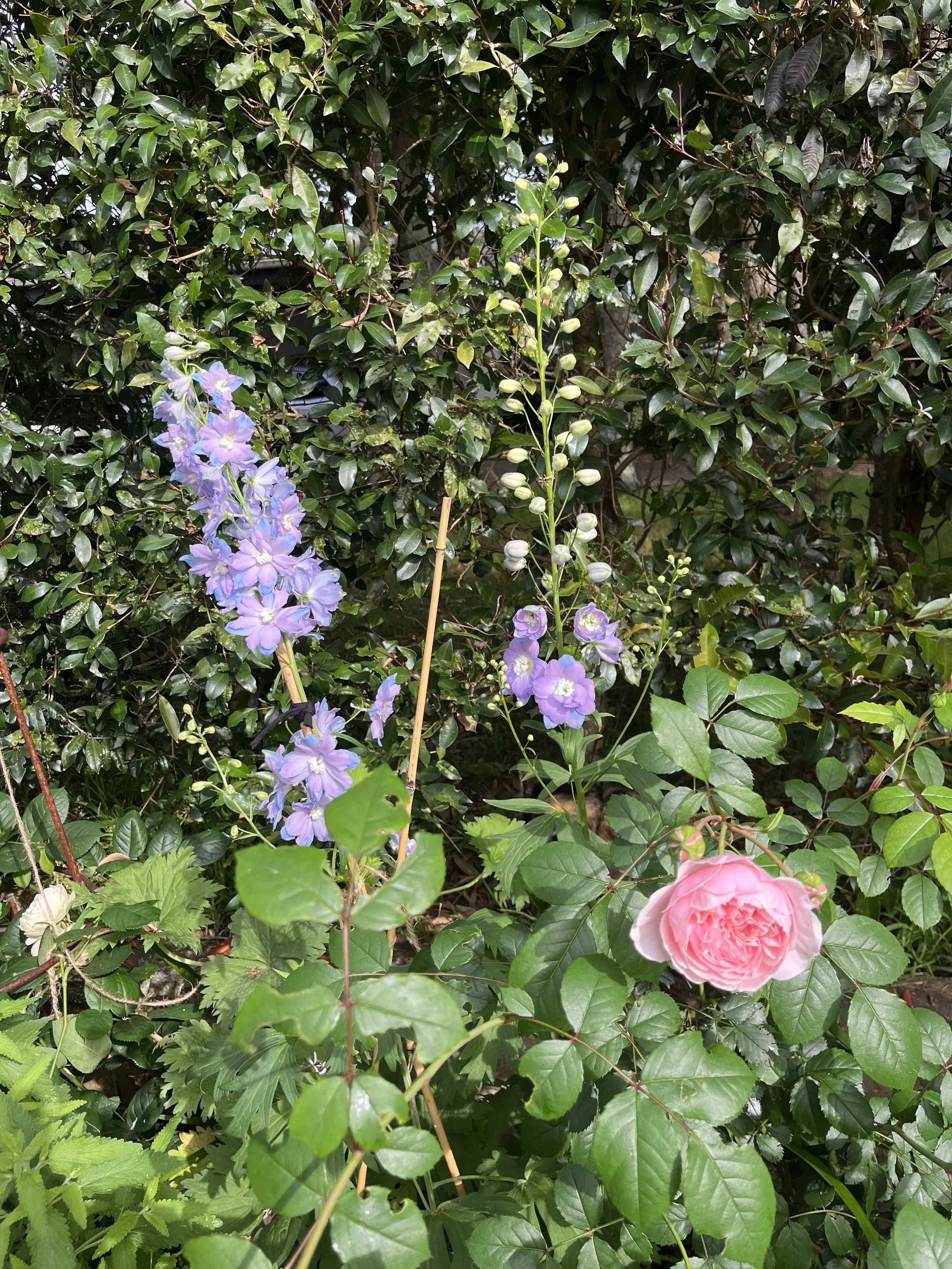
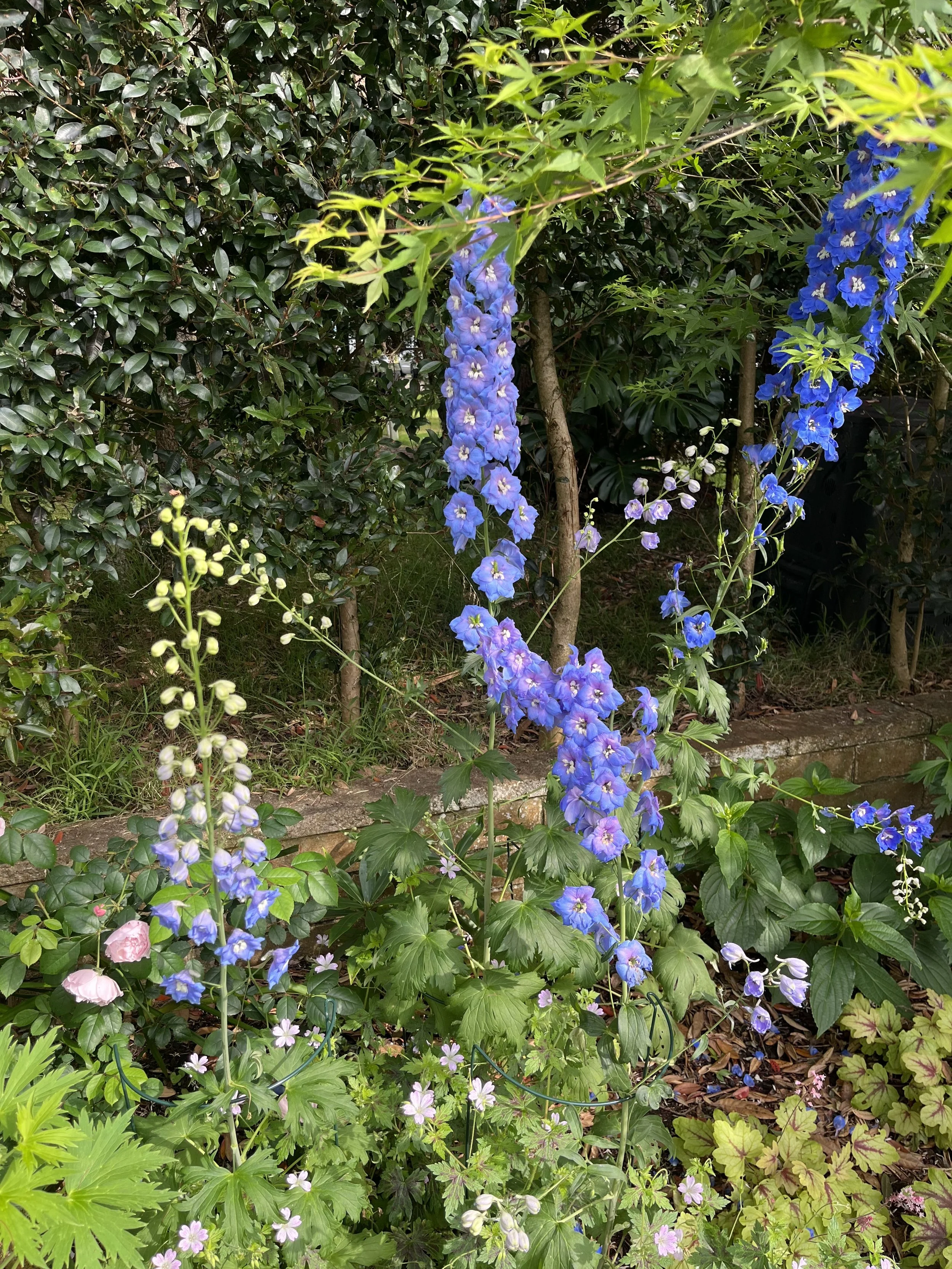
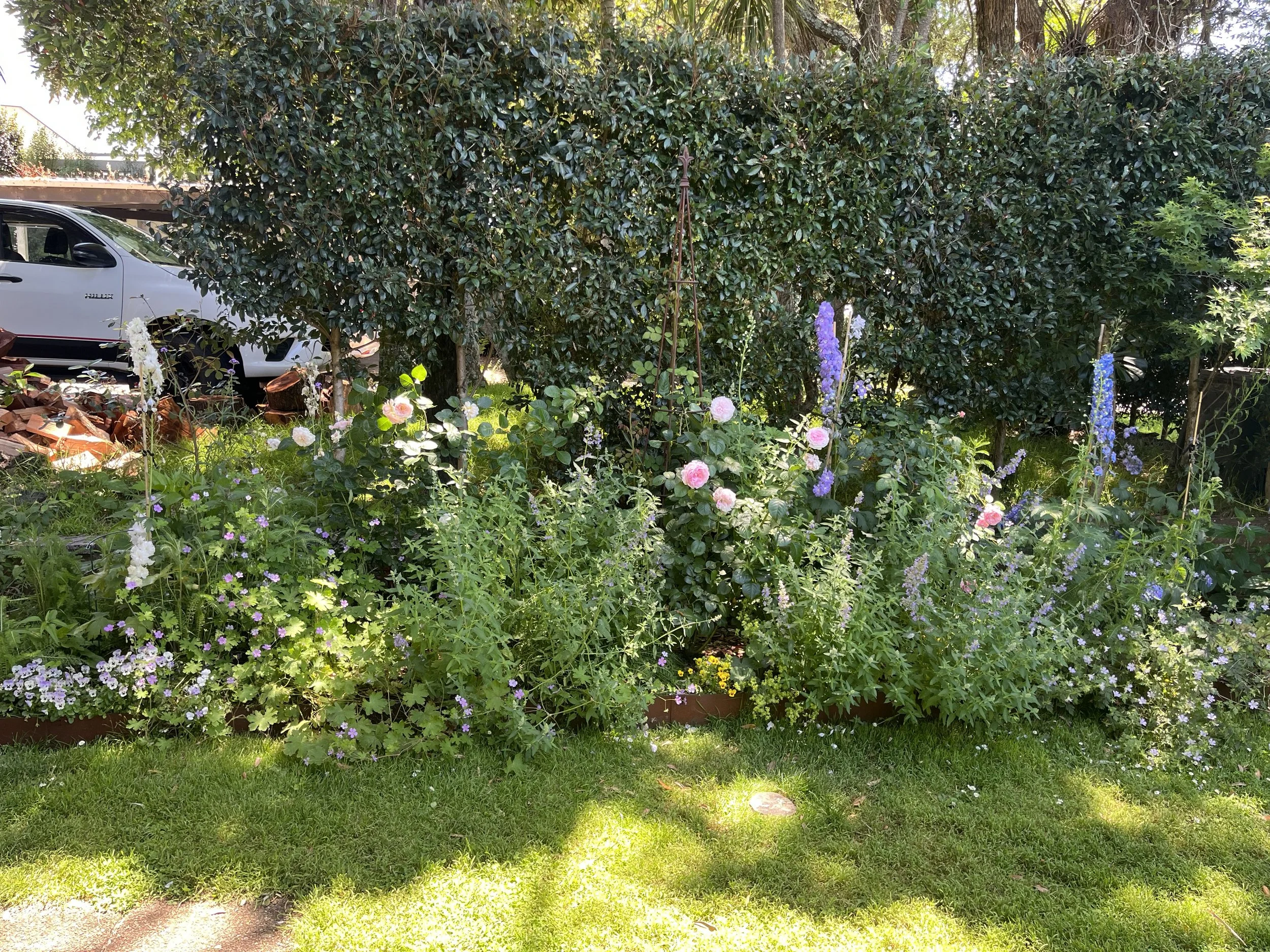
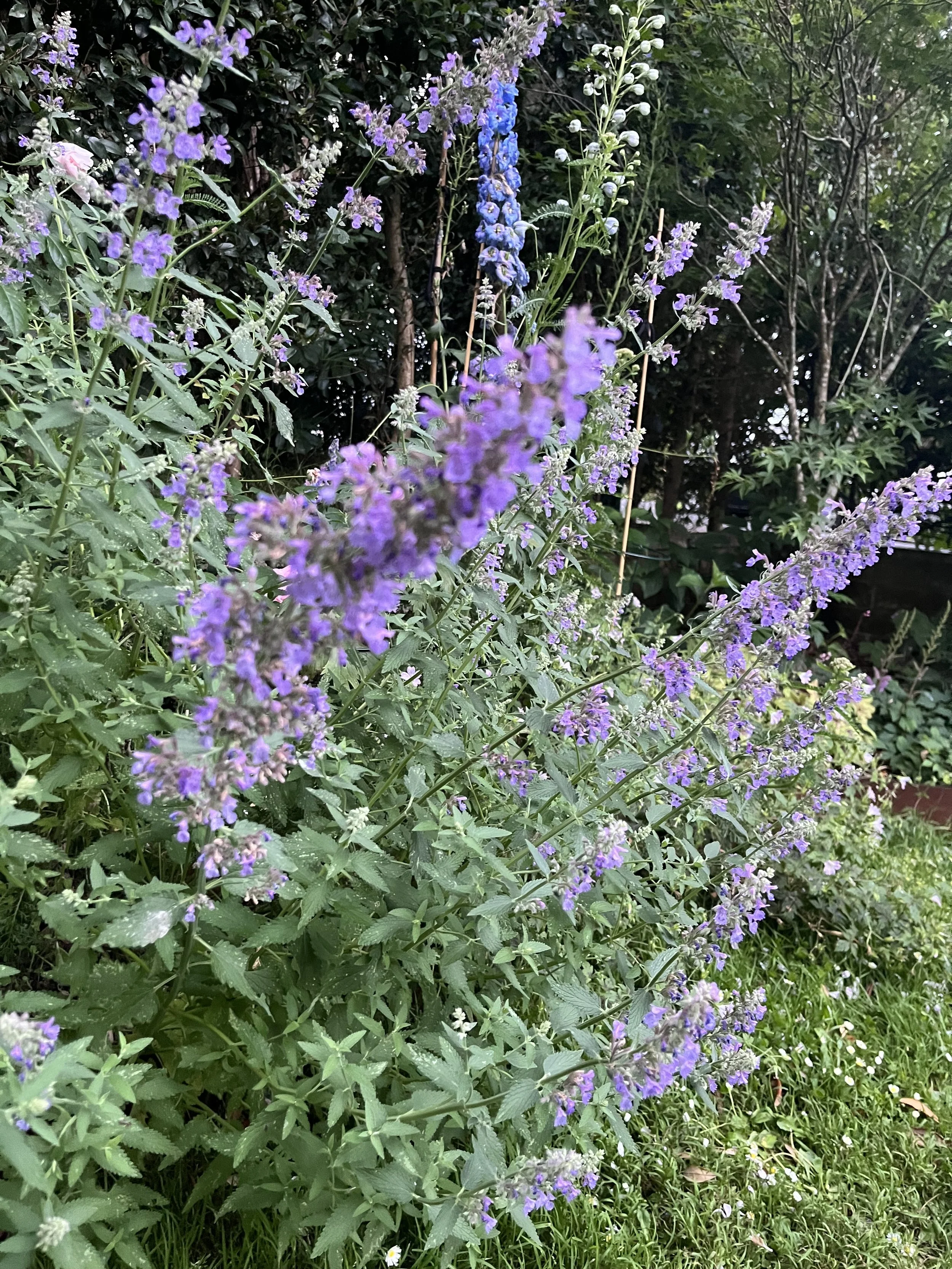
Planting in 2025, splashes of spring to early summer colour.
I’ve very recently decided on naming borders in the Herbst Garden after various loved cats, and so this border designed and planted in 2025 is called the Cotton border, after a very much loved and cared for cat that was gone far too soon. Cotton’s sweet, yet at times, untethered demeanour will live on in this border. I’ve decided that the border will now also be anchored by a multi-stem Himalayan birch (betula utilis v. jacquemontii), with the luminous white trunk reminiscent of Cotton’s white fur. I am realising that perennials are useful for filling out the border, but I am now wiser to understand the value of annuals to fill flowering gaps and extend the season of interest. So for summer 2026, think more longer flowering perennials like salvias and verbena bonariensis, but also annuals like cornflowers, orlaya grandiflora, ammi visnaga, to create more layers of planting. To achieve this, I will also need to somehow tame the sprawling nature of existing border plants like Nepeta x six hills giant and achillea. A visit to the Auckland Domain Wintergardens in autumn this year has inspired me to try my hand at chrysanthemums; we shall see if they make good plug plants to take the place of early spring flowering plants in the border. Not an easy task in a border only measuring 1.2m deep, but we love a challenge here at Herbst Garden. Cotton, I think you would personally love the sprawling bed of catmint.


Cotton, sweet and loving - she is remembered fondly
I end on a juxtaposition of sorts… that winter may oft-times be dark and dreary, but I find myself filled with the brightest and most sanguine ideas for the seasons to come.